Choosing power starts with one question: how much energy should this charger give a car in an hour? Everything else follows from that number.
A simple calculation
An hour of charging delivers roughly as many kWh as the charger’s power: a 7 kW charger gives about 7 kWh in an hour. An average EV uses 15–20 kWh per 100 km, so 7 kW adds roughly 35–45 km of range per hour.
- 7 kW — about 35–45 km per hour
- 22 kW — about 110–145 km per hour (if the car accepts that power)
- 120 kW — up to about 300 km in half an hour
- 240 kW and above — the same range in 15–20 minutes
These are estimates. Real results depend on the power the car accepts, the battery’s state of charge and the temperature — charging is slower in cold weather.
Two limits to remember
The first is in the car. With AC, the on-board charger sets the speed: on a 22 kW charger, a car with a 7 kW on-board charger still gets 7 kW. With DC, the battery has a maximum power it accepts, and the car lowers power as it fills.
The second is at the site. A 120 kW charger needs a significant share of the site’s grid capacity. It is the first thing checked during design — sometimes the answer is not more power but smart sharing of the available power between chargers.
Power levels and models
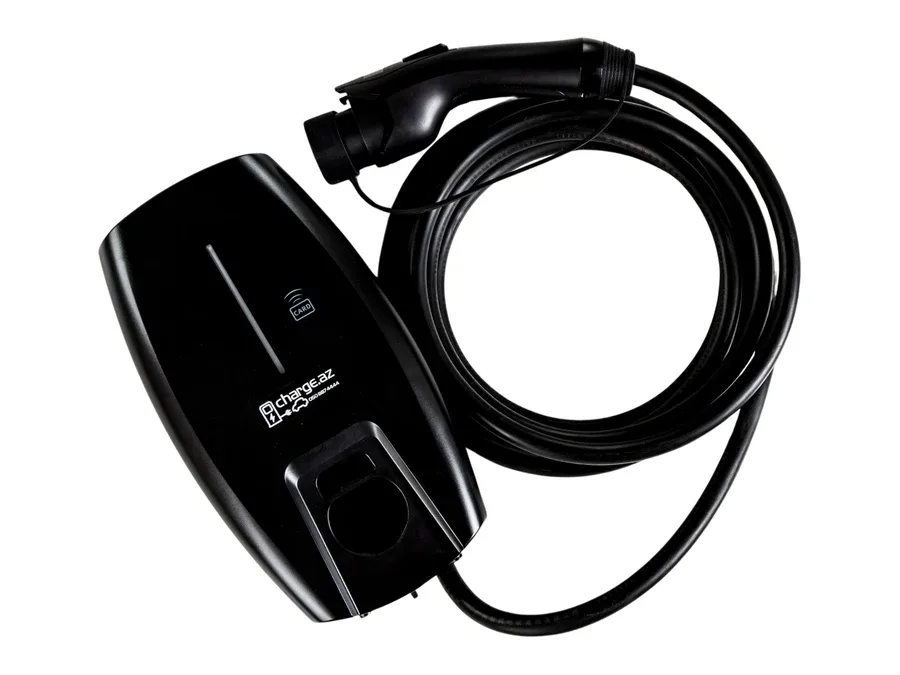
- EVS+ V and EVS+ VI — 7 kW AC wallbox
- EVS+ IV — 22 kW AC wallbox
- EVS+ X — 20–30 kW DC wall charger
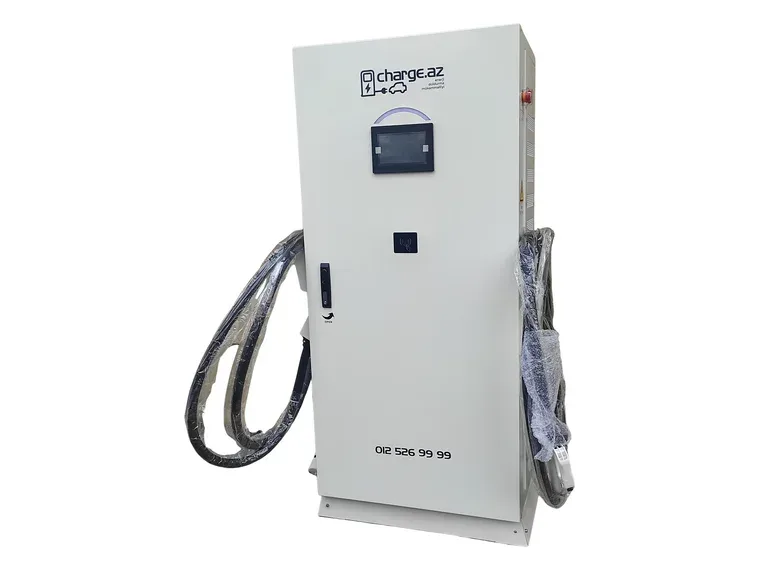
- EVS* L — 50–120 kW DC floor-standing
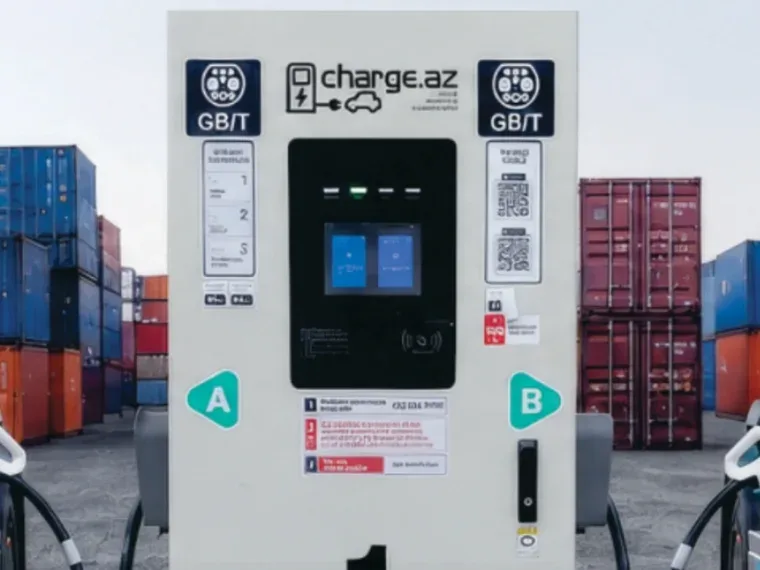
- EVS* C — 60–160 kW DC, dual-gun
- EVS* D — 180–320 kW DC
- EVS* M — 240–1000 kW DC megawatt station
There is a portable option too: EVS O works at 2–7 kW from a standard socket — a backup to keep in the car.