Home charging is the most convenient and affordable way to charge an electric car — the car is full every morning. Here are the options.
Option 1: a standard socket
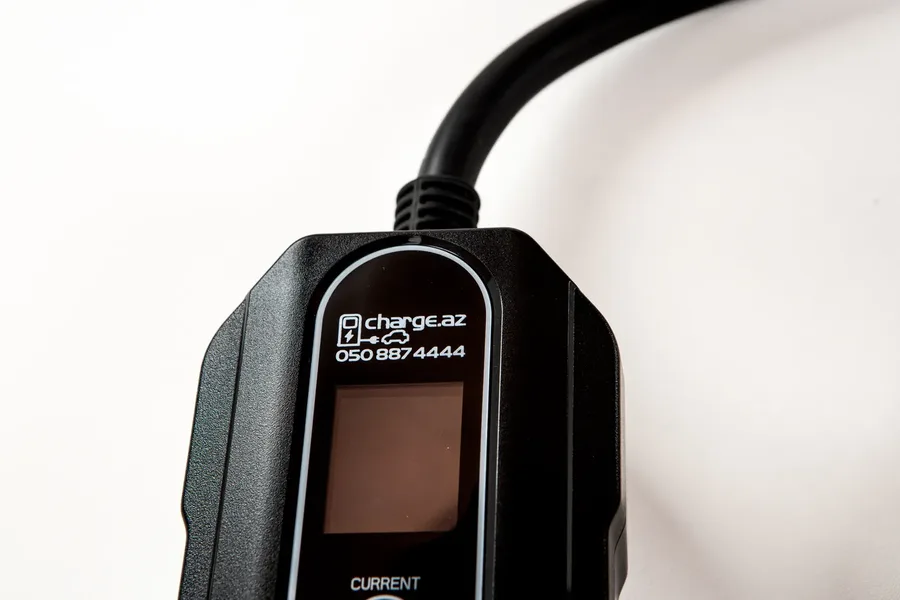
With a portable cable you can charge from a standard household socket, but it is the slowest method (about 2–3 kW). It works for emergencies but is not recommended for daily use.
Option 2: a wallbox
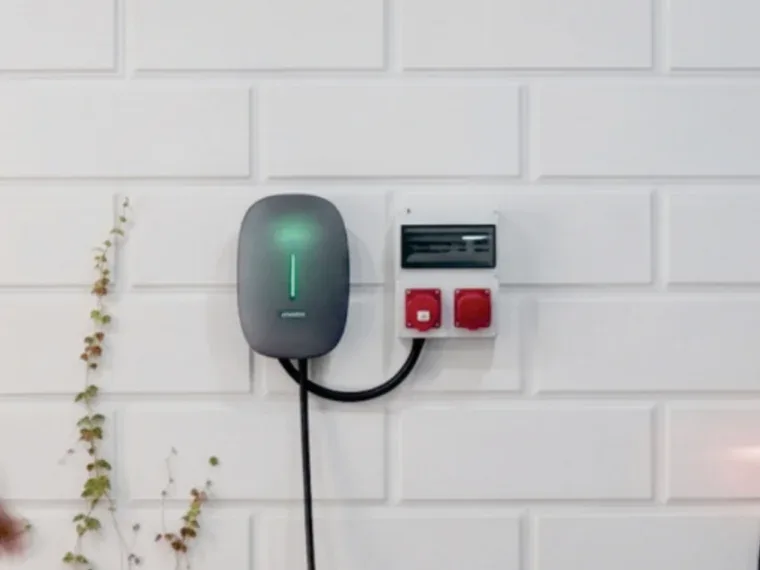
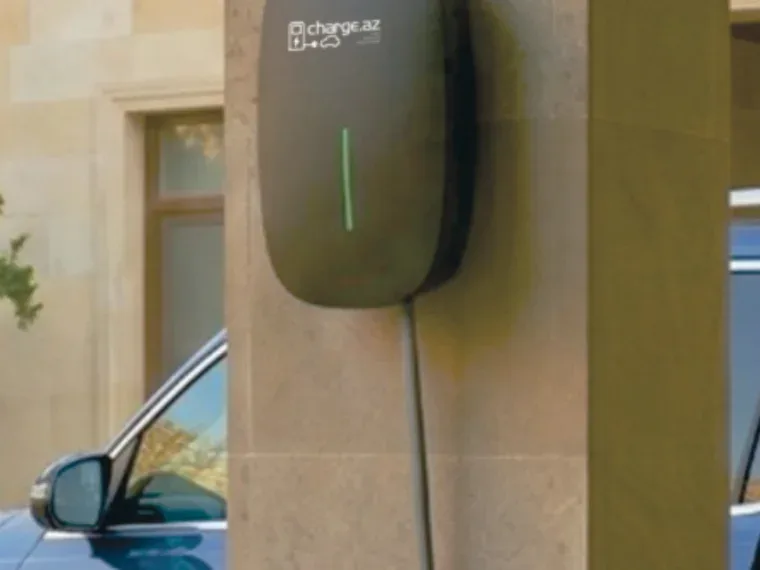
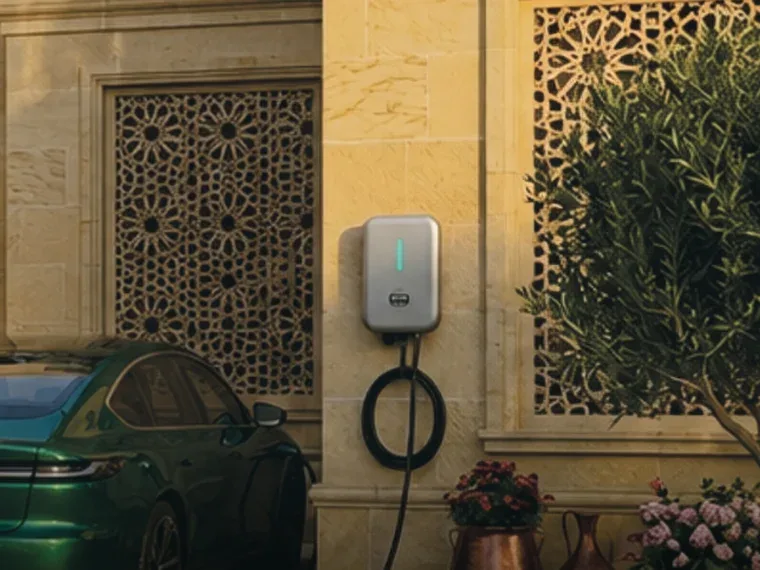
A wallbox is a dedicated AC charger mounted on the wall — the best solution for home charging. It is much faster and safer than a socket and offers smart control.
- 7 kW (single-phase) — for most homes; a full charge overnight.
- 22 kW (three-phase) — for faster charging.
How to estimate charging time
Approximate time = battery capacity (kWh) ÷ charging power (kW). For example, a 60 kWh battery takes about 8–9 hours on 7 kW, and much less on 22 kW — within the limit of the car’s on-board AC charger.
Installation and safety
A wallbox should always be installed by a qualified electrician, after checking the home’s electrical capacity, with the right cable and a residual current device.