A charging station does three things for a business at once: it brings EV drivers to the site, keeps them there longer and earns revenue from selling energy. Here are the steps from choosing equipment to going live.
Step 1: choose the right power
The most common mistake is picking power at random. The right approach is simple: how long do customers stay? Dwell time sets the power, and power sets the model.
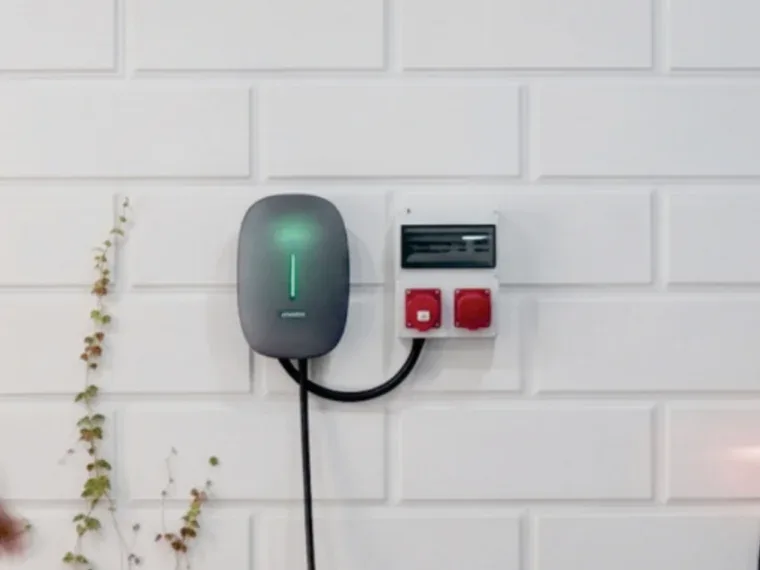
- Several hours or overnight (hotel, residence, office) — 7–22 kW AC is enough
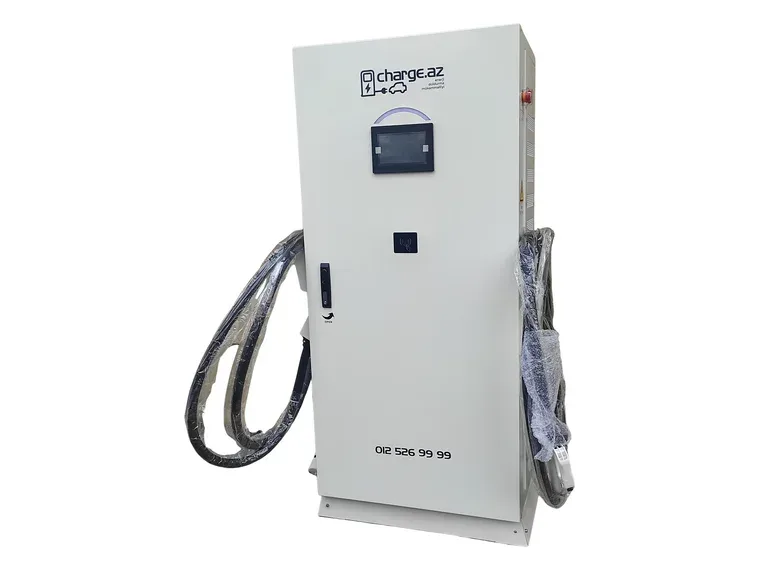
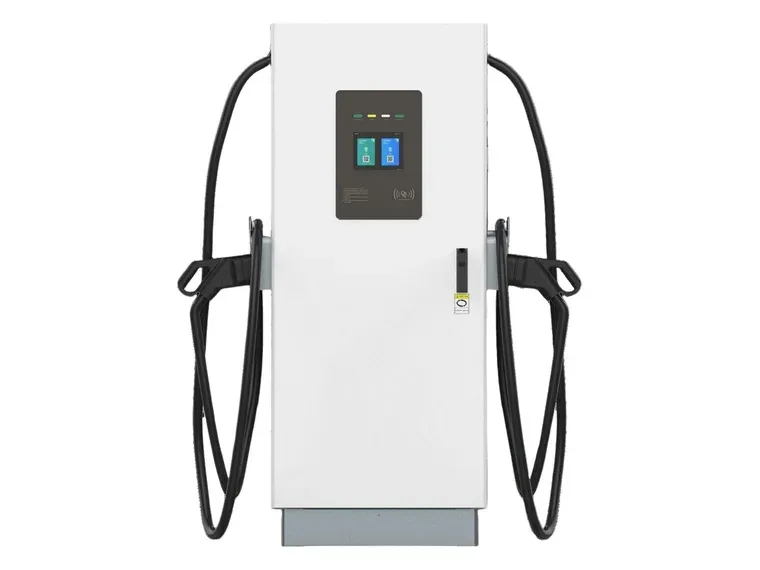
- Thirty minutes to an hour (mall, supermarket, café) — 60–160 kW DC
- Short stops on the road (highway, fuel station) — 180 kW DC and above
The higher the power, the more serious the grid connection. A 120 kW station needs its own line and enough transformer capacity — the first thing checked at the design stage.
Step 2: design, installation and commissioning
The site’s electrical capacity is checked, the cable route and charger location are planned, then installation and testing follow. Floor-standing DC chargers need a concrete base; wall-mounted AC chargers need a solid wall.
For outdoor equipment, protection ratings matter: wall models in the range are IP65 with IK08–IK10 impact resistance; floor-standing DC chargers are IP54 or IP55.
Step 3: management and revenue
Once installed, a station has to be run: who used how much energy, which tariff applies, is the charger healthy. This is done over the open OCPP protocol, with charge point management software.
- Remote monitoring: station status and fault alerts
- Tariffs: you set the price yourself
- Reports: energy, number of sessions and revenue
- Load management: sharing available power between chargers