The most useful question when choosing a charging station is commercial, not technical: how long do customers stay? The answer almost chooses the equipment for you.
Hotels, residences, offices: plenty of time
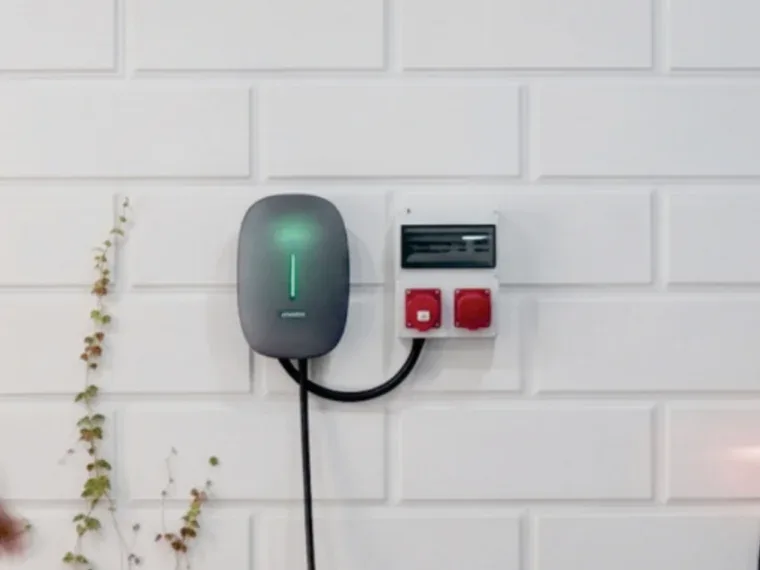
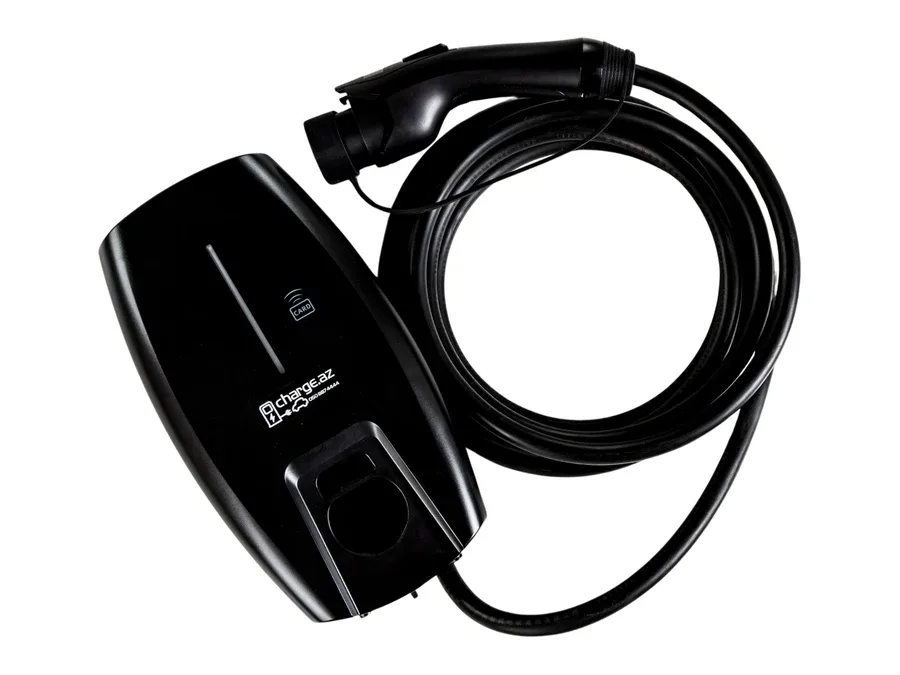
Guests leave the car in the car park overnight. High power is not needed — a 7 or 22 kW wallbox fills the battery by morning. Wallboxes are also affordable, compact and need little electrical work.
In Azerbaijan, Charge.az has installed charging at hotels such as Qafqaz Hotels and Resorts, Ramada Shikhov, Courtyard by Marriott, Wyndham Baku and Hilton Garden Inn Aghdam — AC wallboxes, and DC chargers where traffic is higher.
Malls and supermarkets: little time
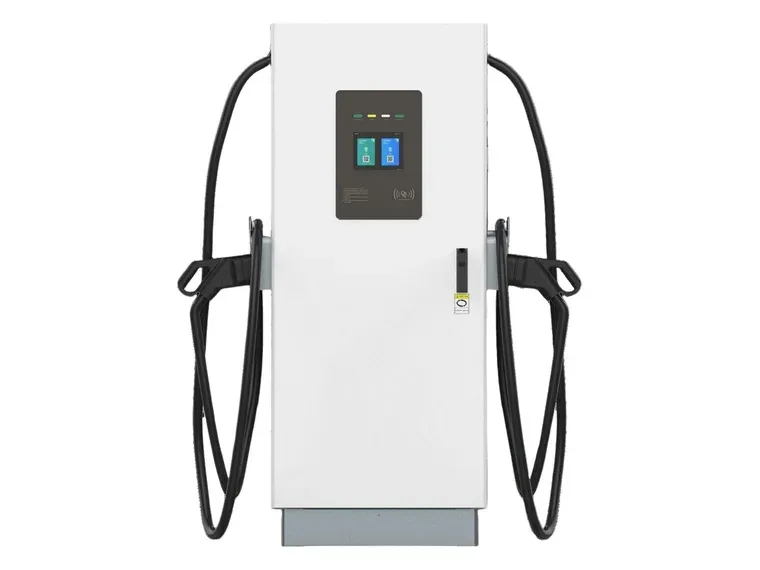
Shopping usually takes 30–60 minutes. In that time an AC charger adds only a few kWh, while a DC charger adds real range. That is why retail sites choose 60–160 kW.
At a retail site, a charging station also keeps people there: drivers stay on site while the car charges.
Roadside sites
At a fuel station or on a highway the logic is reversed — customers want to leave as soon as possible. Here, DC chargers of 180 kW and above are used.
A practical selection table
- Hotel, residence, office, café — 7–22 kW AC
- Mall, supermarket, restaurant — 60–160 kW DC
- Fuel station, highway, logistics — 180 kW DC and above
- Mixed site — one DC charger alongside several AC chargers
Before deciding, check one technical point: the site’s available grid capacity. A high-power DC station needs its own line and transformer capacity, which directly affects the budget.